
IPTV vs Cable TV: Which One Is Better for Home Streaming with Lemo IPTV
Introduction
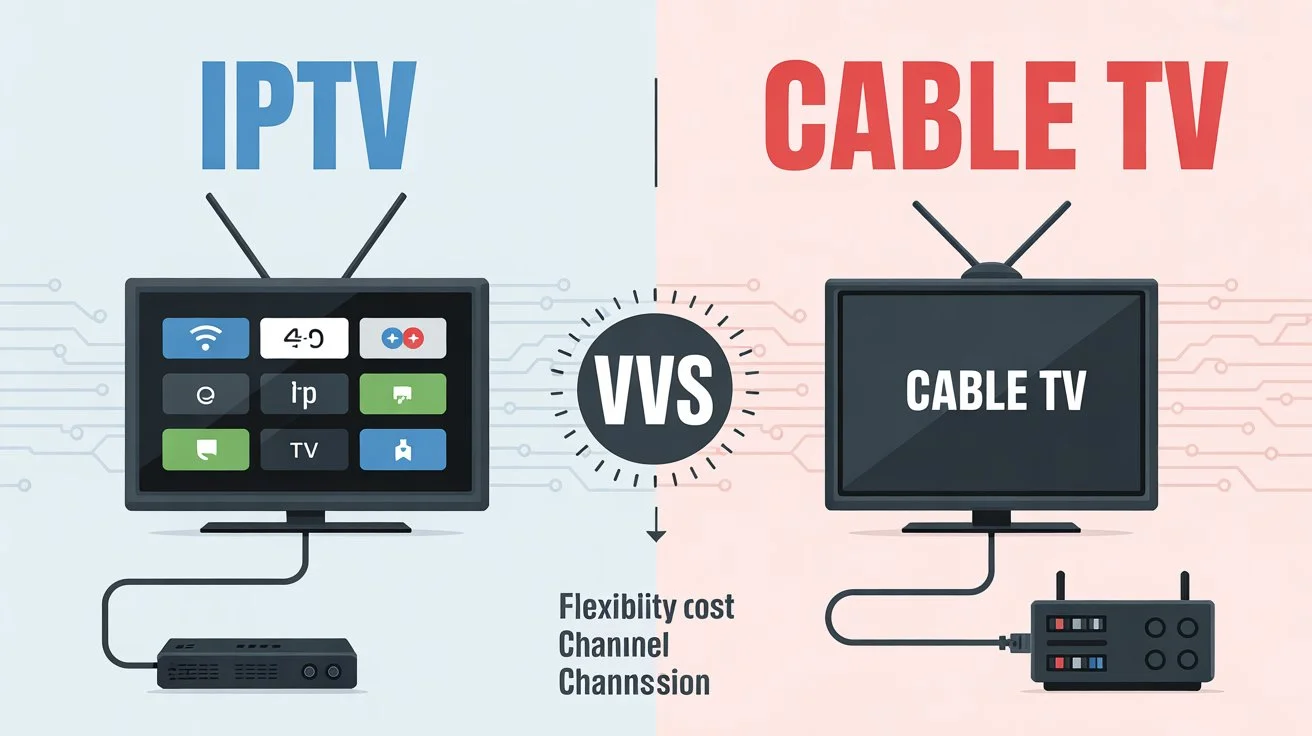
Home entertainment has changed dramatically in recent years. Traditional cable TV, once the standard choice for households, is now competing with modern streaming solutions like IPTV. Many people are asking the same question: is IPTV better than cable for home streaming?
This guide compares IPTV vs cable TV in a clear, beginner-friendly way. We’ll explore pricing, features, flexibility, and overall viewing experience to help you make an informed decision. If you’re considering a modern solution like lemo iptv, this comparison will show you exactly how it stacks up against traditional cable.
By the end of this article, you’ll know which option fits your home streaming needs best—without confusion or technical jargon.
What Is Cable TV?
Cable TV is a traditional television service delivered through physical cables installed by a local provider. It has been around for decades and is still widely used in many households.
How Cable TV Works
Cable TV relies on:
Coaxial or fiber cables
A fixed channel lineup
A set-top box provided by the cable company
Once installed, users access live TV channels based on their subscription package.
Pros of Cable TV
Stable signal in most areas
Familiar interface
Local channels included
Cons of Cable TV
Limited flexibility
Expensive monthly fees
Long-term contracts
Little to no on-demand content
These limitations have led many users to explore alternatives, especially IPTV services.
What Is IPTV and How Does Lemo IPTV Work?
IPTV (Internet Protocol Television) delivers TV content over the internet instead of traditional cables or satellites. This allows users to stream live channels, movies, and series on multiple devices.
How IPTV Works
With IPTV, content is streamed using:
A stable internet connection
An IPTV app or player
Login credentials (M3U or Xtream Codes)
Services like lemo iptv provide access to live TV, video on demand (VOD), and catch-up features through one simple subscription.
Why IPTV Is Growing Fast
Works on Smart TVs, Firestick, Android, iOS, and PCs
No physical installation
Global channel availability
More control over what and when you watch
IPTV vs Cable TV: Key Differences Explained
Understanding the difference between IPTV and cable TV helps you choose the right service for your home.
Technology and Delivery
Cable TV: Uses physical cables and local infrastructure
IPTV: Uses the internet and works anywhere with a connection
Content Availability
Cable TV offers fixed channels
IPTV provides live TV + on-demand libraries
Flexibility
Cable TV is location-based
IPTV works on multiple devices and locations
This flexibility is one of the biggest reasons users switch to IPTV.
IPTV vs Cable Cost: Which Is More Affordable?
Cost is a major factor when choosing a TV service.
Cable TV Costs
Cable TV typically includes:
High monthly fees
Installation charges
Equipment rental fees
Contract penalties
Over time, cable can become very expensive for families.
IPTV Costs
With IPTV services like lemo iptv, you usually get:
Lower monthly or yearly pricing
No installation fees
No hardware rental
Flexible plans
When comparing IPTV vs cable cost, IPTV is almost always the more budget-friendly option.
Is IPTV Better Than Cable for Home Streaming?
So, is IPTV better than cable? For most modern households, the answer is yes.
Reasons IPTV Wins
Watch anytime, anywhere
Access live TV and VOD in one place
Use multiple devices
Better value for money
When Cable TV Might Still Make Sense
Poor internet connection
Preference for traditional TV only
Limited tech experience
However, with basic guidance, even beginners find IPTV easy to use.
Best TV Service for Home Streaming in 2026
Choosing the best TV service for home streaming depends on your lifestyle.
IPTV Is Ideal If You:
Use Smart TVs or streaming devices
Want flexible viewing
Prefer lower costs
Enjoy movies and series on demand
Cable TV Is Better If You:
Only watch live TV
Don’t use internet-based services
Prefer a fixed setup
For most users today, IPTV offers a more complete and future-proof solution.
Why Lemo IPTV Stands Out
Among IPTV options, lemo iptv is designed for smooth home streaming.
Key Benefits of Lemo IPTV
High-quality streams
Large channel selection
VOD and live TV combined
Compatible with popular devices
Whether you’re switching from cable or starting fresh, Lemo IPTV provides a balanced and user-friendly experience.
Internal Linking Suggestions
To improve navigation and user experience, consider adding these internal links:
Learn more about Lemo IPTV setup → IPTV setup guide page
Explore Lemo IPTV subscription plans → pricing page
These links help users find helpful information quickly.
Frequently Asked Questions
What is Lemo IPTV and how does it work?
Lemo IPTV is an internet-based TV service that streams live channels and on-demand content using an internet connection and compatible devices.
Can I use Lemo IPTV on Smart TVs?
Yes, Lemo IPTV works on most Smart TVs using IPTV apps or built-in players.
How do I set up Lemo IPTV on Firestick?
You install an IPTV player app, enter your Lemo IPTV login details, and start streaming. Setup usually takes only a few minutes.
What devices are compatible with Lemo IPTV?
Lemo IPTV supports Smart TVs, Android devices, Firestick, tablets, smartphones, and computers.
How to troubleshoot Lemo IPTV buffering issues?
Common fixes include checking internet speed, restarting the app, and using a wired connection for better stability.
Conclusion
When comparing IPTV vs cable TV, IPTV clearly offers more flexibility, better pricing, and a richer viewing experience for modern homes. Cable TV still works for some users, but it lacks the convenience and value today’s viewers expect.
If you’re looking for the best TV service for home streaming, a solution like lemo iptv gives you control, variety, and affordability—all in one place.
 Try Lemo IPTV today and enjoy a smarter, more flexible way to stream TV at home.